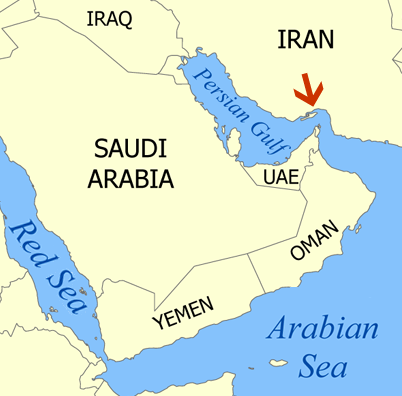
President Trump has drawn a line in the sand that should have been drawn decades ago. Reports confirm he has decided the United States will not patrol or secure the Strait of Hormuz while Iran keeps mining it and harassing shipping. The reason is simple and unapologetic: we do not get significant amounts of oil through that chokepoint, so it is not our problem. Europe can either send its own warships to open and defend the waterway or start buying its oil, gasoline, and jet fuel from American producers at market prices. This is not isolationism. It is the end of the era where American blood and treasure kept the world’s energy lanes open for freeloaders who never returned the favor.
The Decision That Finally Puts America First
This move comes in the thick of the ongoing war with Iran that kicked off February 28 with strikes on nuclear sites and command centers. By mid-March the mullahs had mined the strait, attacked cargo vessels, and slowed traffic to a crawl. For weeks the administration pressed allies to step up with ships and aircraft. Spain and France blocked American overflights. Britain and Germany refused to commit vessels. Canada had already said no. Trump’s patience ran out. The United States Navy will not be the world’s unpaid security guard anymore. If the Europeans want their oil flowing, they can protect it themselves or pay us directly for the energy they need.
This is unprecedented because previous administrations treated the strait as a global commons America had to defend no matter the cost. Not this time. Trump made it plain: the hard part of the war is done, Iran is reeling, and there is no reason for us to babysit a shipping lane that barely touches our shores.
The Numbers That Make the Case Ironclad
The math backs Trump completely. In 2024 the United States imported roughly half a million barrels a day of crude and condensate from Persian Gulf countries through the strait. That was about seven percent of total U.S. crude imports and just two percent of overall U.S. petroleum liquids consumption. By 2025 the picture looked the same: America received only about 2.5 percent of the crude flows transiting the waterway. Domestic production and imports from Canada and Mexico have made us energy independent for years. Disruptions raise global prices, but the hit to American families is minimal compared to what Europe faces.
Contrast that with the rest of the world. Roughly 20 million barrels a day of oil and products moved through the strait in 2024 and 2025 – around twenty to twenty-five percent of global seaborne oil trade. Eighty percent of it headed to Asia. Europe gets a sliver directly, but every disruption spikes prices at the pump and in factories across the continent. The Europeans have spent years lecturing us about climate while depending on Middle East oil that flows through a narrow choke point they refuse to defend. Now the bill comes due.
Europe’s Betrayal Meets American Resolve
This decision did not come out of nowhere. Allies had already shown their true colors. When Trump asked for ships to escort tankers and clear mines, the answer was silence or outright refusal. The same countries that demand American protection in Europe suddenly discovered they had no appetite for the fight that keeps their economies running. They wanted the United States to bleed for their energy security while they sat on the sidelines. Trump called their bluff.
The Europeans now face a choice. They can deploy their own navies – something they have underfunded for decades while relying on American power – or they can turn to the United States for oil, gasoline, and jet fuel. American energy producers stand ready to sell at prevailing market rates. No more subsidized defense of sea lanes that primarily benefit others. No more pretending that endless American patrols are some sacred international duty.
The Likely Outcome: Higher Prices for Them, Leverage for Us
Short term, the strait stays contested and global oil prices stay elevated. Europe feels the pain first and hardest – higher inflation, factory slowdowns, and angry voters at the gas pump. Asian buyers will scramble too, but they have their own deals to cut. The United States, cushioned by domestic production, watches from a position of strength.
Longer term, this forces a reckoning. Europe either builds the naval capacity it has long neglected or becomes a bigger customer for American energy exports. Either way, the free ride ends. The old order where America subsidized the defense of continents that refused to defend themselves collapses. NATO’s irrelevance, already on full display, gets another nail in the coffin.
The mullahs in Tehran will learn the hard way that their blockade hurts their customers more than it hurts us. They can keep the mines in the water, but the world now knows exactly who benefits from keeping the strait open – and who no longer feels obligated to do the job.
This is what winning looks like. Trump has spent years promising to stop the endless subsidies and the forever commitments that drain American resources for other people’s benefit. The Strait of Hormuz decision delivers on that promise. Europe can step up or pay up. The American people get what they voted for: a foreign policy that puts our interests first and forces everyone else to live with the consequences of their own choices. The adults are finally in charge, and the freeloaders are about to learn what life without the American safety net feels like.